
Posted on May 6, 2026

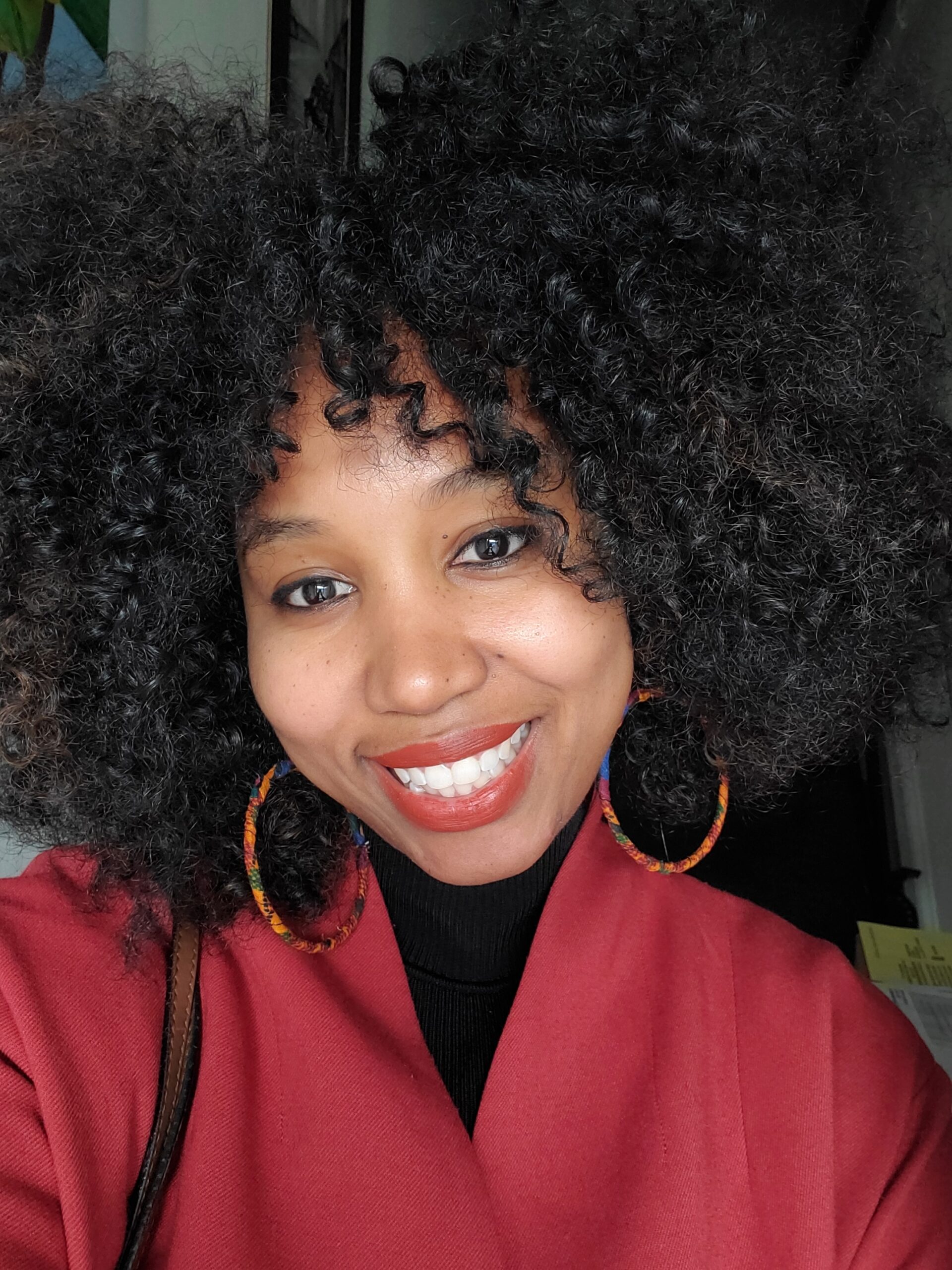

By Rose-Anne Uwague
Parent Ambassador, ACNJ Parent Leadership Council
In a healthcare system that is often criticized for feeling rushed, impersonal, or even unsafe, especially for Black and brown families, there’s someone whose only role is to be fully present for you. A doula!
When I called to learn if my insurance company offers doulas, the customer service representative informed me that there was no one by the name of “Adoula” working there. Welp! Many people have never heard of doulas, and those who have often believe myths, like doulas are just for home births, or that they replace doctors, or that only wealthy families can afford them.
Doulas have deep roots in community care and birth traditions, and today they’re part of a growing movement to make birth safer, more empowering, and more equitable. So today, we want to clear up the confusion, bust a few myths, and spotlight how doulas are transforming birth and postpartum experiences right here in New Jersey.
➤ Doulas replace doctors or midwives.
False. Doulas provide non-medical support. They complement the medical team, not replace them. Simply put, doulas are not doctors. Doulas are not midwives.
➤ Doulas only support natural or home births.
False. Doulas can support all types of births from hospital, home, birthing centers, epidurals, C-sections, VBACs (vaginal birth after C-section), inductions, etc.
➤ Only wealthy people hire doulas.
False. Many community-based doulas serve low-income families. Medicaid reimbursement and nonprofit programs are expanding access.
➤ Doulas make decisions for you or speak for you.
False. Doulas empower, support decision-making, and self-advocacy, but don’t speak on behalf of the mother unless explicitly asked.
➤ Doulas are just for mothers.
False. Doulas support the whole family, offering reassurance and practical help.There are even sibling doulas who work primarily with the other children to explain the process!
Now let's get into some stereotypes…
➤ Many people think that doulas are white, hippie women, but this actually erases the deep roots of birthwork in Black, Indigenous, and immigrant communities. Many doulas of color and culturally specific doulas are leading birth justice movements.
➤ Doulas push anti-hospital or anti-intervention agendas. The role of a doula is to educate and support, not to force their beliefs upon their clients. Some doulas work within hospitals and support informed choice, not one specific outcome.
As you can see, doulas play a critical role, so when I hear the myth that doulas are not professional, I have to debunk it. Doulas are trained, certified, and often part of professional organizations. Many also complete continuing education, have ethical codes, and follow best practices. There are so many other misconceptions but I hope this cleared up the more common ones and that you will share what you learned.
==========================
Rose-Anne Uwague is a productivity coach, maternal health and child wellness advocate, and New Jersey-based mom of three. She was appointed by New Jersey Governor Murphy to serve as a board member on the Maternal Care Quality Collaborative. She is the Chair of the Parent Leadership Council and the Co-Chair of New Jersey’s Unlocking Potential 2.0 Leadership Team composed of multidisciplinary providers.
She shares her motherhood story to spread awareness, ignite hope, and provoke change. Her goal is to uplift the voices of others, encourage them to advocate for their positive health outcomes, and partner with legislators to promote positive change. Her advocacy work in infant and maternal health stemmed from noticing that the challenges her clients were facing were not limited to the woman, but a deeply flawed and broken system. As a productivity coach and life strategist, she helps women redefine productivity so they can experience wellness and total well-being. She was featured in Forbes weighing in on the pandemic productivity debate.